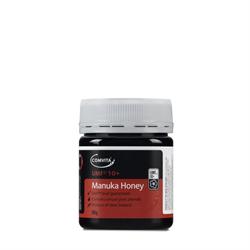
Comvita UMF 10+ Manuka Honey is produced in New Zealand by Comvita.
Independently tested for Leptosperin, Methylglyoxal (MGO), and Dihydroxyacetone (DHA), 3 natural markers that define genuine Manuka honey.
Manuka Honey is famous for its antibacterial properties.
Contains at least MGO 263.
Comvita’s Bee Hives are located in the scenic area of the Bay of Plenty in New Zealand’s North Island.
The unique properties found in Manuka honey are made from the nectar of the Manuka bush (Leptospermum scoparium), native to New Zealand.
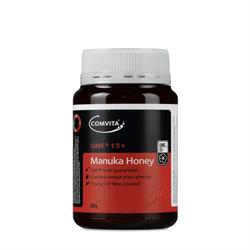
Comvita UMF 15+ Manuka Honey is produced in New Zealand by Comvita.
Independently tested for Leptosperin, Methylglyoxal (MGO), and Dihydroxyacetone (DHA), 3 natural markers that define genuine Manuka honey.
Manuka Honey is famous for its antibacterial properties. Contains at least MGO 514.
Comvita’s Bee Hives are located in the scenic area of the Bay of Plenty in New Zealand’s North Island.
The unique properties found in Manuka honey are made from the nectar of the Manuka bush (Leptospermum scoparium), native to New Zealand.
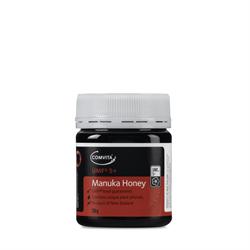
Comvita UMF 5+ Manuka Honey is produced in New Zealand by Comvita.
Independently tested for Leptosperin, Methylglyoxal (MGO), and Dihydroxyacetone (DHA), 3 natural markers that define genuine Manuka honey.
Manuka Honey is famous for its antibacterial properties.
Contains at least MGO 83.
Comvita’s Bee Hives are located in the scenic area of the Bay of Plenty in New Zealand’s North Island.
The unique properties found in Manuka honey are made from the nectar of the Manuka bush (Leptospermum scoparium), native to New Zealand.
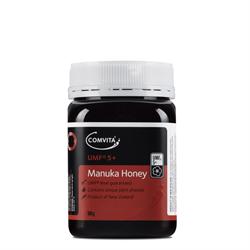
Comvita UMF 5+ Manuka Honey is produced in New Zealand by Comvita.
Independently tested for Leptosperin, Methylglyoxal (MGO), and Dihydroxyacetone (DHA), 3 natural markers that define genuine Manuka honey.
Manuka Honey is famous for its antibacterial properties.
Contains at least MGO 83.
Comvita’s Bee Hives are located in the scenic area of the Bay of Plenty in New Zealand’s North Island.
The unique properties found in Manuka honey are made from the nectar of the Manuka bush (Leptospermum scoparium), native to New Zealand.
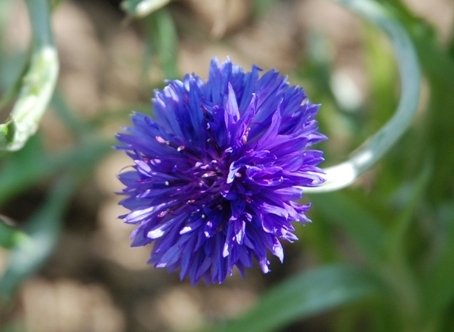
The Blue Cornflower heads are tempting to bees.
How to grow:
Sow from late March to May directly into a weed free growing site. Do not transplant but thin out to about 5 cm apart. This helps to support the plants.
Annual flower with tall stems – reaching around 90 cm
Can also be sown in September for extra early flowers.
Flowers:
May to September.
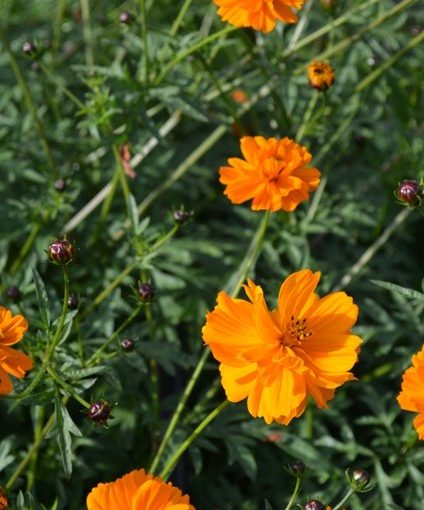
Tall vigorous plants with lovely large simple flowers in striking orange colour.
For borders and cut flowers. Ht 90 cm. Large half hardy annuals and very easy to grow. A popular scented cut flower and great for attracting bees to your garden.
Sow February – May. Early sowings in pots or trays undercover. Later sowings direct into growing site 25cm apart. When large enought to handle transplant seedlings to flowering site or thin to 50 cm apart.
Flowers:
July – October
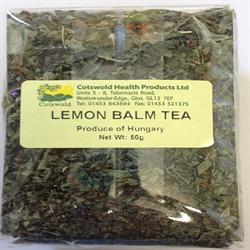
Cotswold Health Lemon Balm Tea 50g
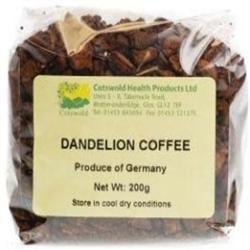
Cotswold Dandelion root coffee is rich in flavour and aroma.
No artificial colourings or preservatives.
Caffeine free.
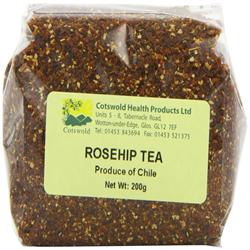
Cotswold Health Loose Rosehip Tea 200g
Naturally caffeine free

